

What is Artisanal & Small-Scale Mining (ASM)?
Sep 11, 2023 / 6 Min Read
Understanding Artisanal & Small-Scale Mining
Artisanal and Small-Scale Mining (ASM) is a critical sector within the global mining industry, providing livelihoods for millions of people across developing and resource-rich regions. Despite its significance, the sector does not have a universally accepted definition due to differences in legal frameworks, operational criteria, and local interpretations from one country to another.
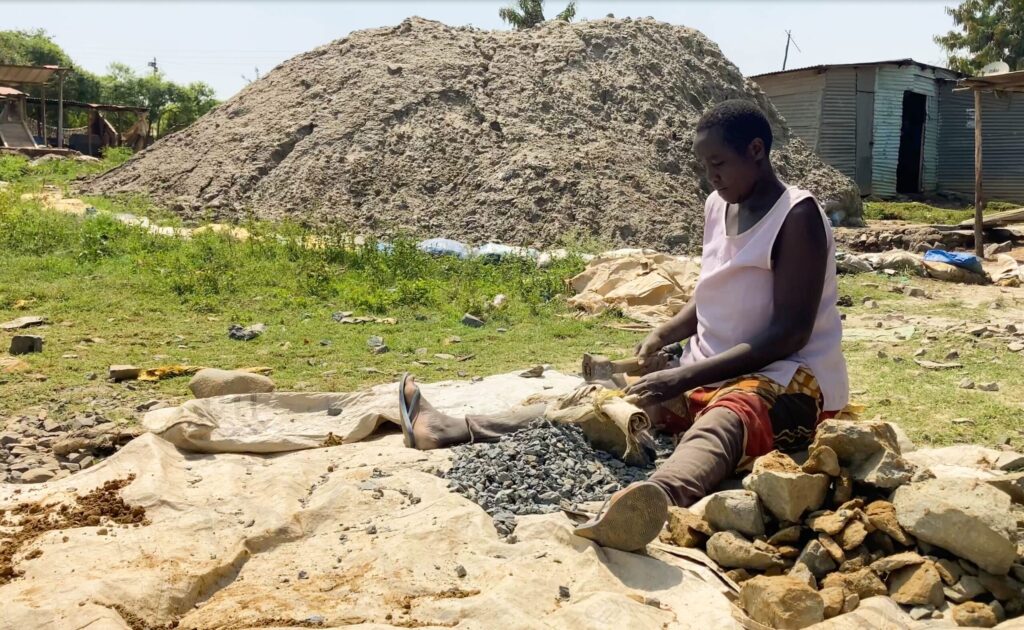
At its core, ASM encompasses both formal and informal mining activities that rely on simplified methods of exploration, extraction, processing, and transportation of minerals. Unlike large-scale industrial mining operations, ASM is characterized by low capital investment and a strong dependence on manual labor and basic technologies. Activities may be carried out by individual miners, family groups, cooperatives, community organizations, or small enterprises employing hundreds of workers.
Globally, ASM plays an essential role in mineral production and economic development. The sector is responsible for a substantial share of the world’s supply of precious and industrial minerals, including gold, diamonds, sapphires, and tin. In countries such as the Democratic Republic of Congo (DRC), millions of people depend directly or indirectly on artisanal mining as their primary source of income. Worldwide, more than 100 million people rely on ASM for their livelihoods, making it one of the most important informal economic sectors in many developing nations.
In many regions, artisanal mining serves as a seasonal or supplementary activity alongside agriculture. During periods of poor harvests, drought, or economic hardship, communities often turn to mining as an alternative source of income. As a result, ASM acts as both a livelihood strategy and a social safety net for vulnerable populations.
Why People Enter the ASM Sector
The primary driver of participation in artisanal and small-scale mining is economic necessity. For many rural communities, ASM offers one of the few available opportunities to generate income where formal employment is scarce or non-existent.
Mining can provide individuals and families with a pathway out of poverty by creating employment opportunities, stimulating local trade, and generating cash income. In remote regions where infrastructure and investment are limited, ASM often becomes a key economic activity that supports entire communities.
However, the sector also presents significant challenges. Many miners operate with limited access to modern equipment, technical expertise, geological information, and financial resources. These constraints often result in low productivity and poor mineral recovery rates. Combined with unsafe working conditions and fluctuating commodity prices, miners can become trapped in cycles of poverty despite their hard work and effort.
Without access to education, training, or investment capital, many ASM workers struggle to improve their operations or transition into more sustainable livelihoods. This situation creates what is commonly referred to as the “poverty trap” within the sector.
Key Characteristics of ASM
Artisanal and small-scale mining operations are typically characterized by:
* The use of simple or rudimentary mining techniques and equipment.
* Labor-intensive extraction processes with limited mechanization.
* Small-scale production volumes and relatively low productivity.
* Limited access to geological data and mine planning resources.
* Inadequate health, safety, and environmental management systems.
* Informal or partially regulated operating structures.
* Seasonal mining activities that complement agricultural livelihoods.
* Reliance on local labor and community participation.
Because of these characteristics, ASM operations can vary significantly in size and complexity, ranging from individual prospectors to organized cooperatives managing multiple mining sites.
Social Challenges and Community Impacts
While ASM creates employment opportunities and supports local economies, it can also generate social challenges when not properly managed.
Mining areas often attract large numbers of workers seeking economic opportunities. Rapid population growth around mining sites can place significant pressure on local infrastructure, housing, water resources, sanitation systems, and healthcare services. In some cases, competition for land and resources may lead to conflicts between miners, local communities, indigenous groups, and other stakeholders.
Health and social issues are also common concerns. Limited access to healthcare services, poor sanitation facilities, and inadequate education can contribute to the spread of communicable diseases and other public health challenges. Substance abuse and alcohol dependency are also reported in some mining communities.
Women play a significant role throughout the ASM value chain, participating in mineral extraction, transportation, processing, and trading activities. However, they often face barriers to land ownership, financing, training, and leadership opportunities. Children may also be involved in mining activities in certain regions, raising concerns related to education, health, safety, and child labor.
Addressing these social challenges requires collaborative efforts between governments, communities, development organizations, and private-sector stakeholders.
Occupational Health and Safety Risks
Worker safety remains one of the most significant concerns within the ASM sector.
Many miners operate in hazardous environments without adequate training, protective equipment, or emergency response systems. Common risks include:
* Mine shaft collapses and ground failures.
* Exposure to dust and airborne contaminants.
* Poor ventilation in underground workings.
* Unsafe handling of chemicals used during mineral processing.
* Injuries caused by manual tools and machinery.
* Lack of access to first aid and emergency medical care.
Thousands of miners worldwide are injured or lose their lives each year due to preventable accidents and unsafe working conditions. Improving safety awareness, training programs, and access to appropriate equipment can dramatically reduce these risks while increasing productivity.
Environmental Considerations
ASM activities can have substantial environmental impacts when mining practices are poorly managed.
Common environmental concerns include:
* Deforestation and habitat destruction.
* Soil erosion and land degradation.
* Sedimentation of rivers and streams.
* Water contamination from mining activities.
* Loss of biodiversity.
* Improper waste disposal.
* Abandoned mine sites requiring rehabilitation.
Artisanal gold mining, in particular, has been identified as one of the largest global sources of mercury pollution. Mercury is often used to separate gold from ore, creating significant health and environmental risks when handled improperly.
Sustainable mining practices, environmental education, and improved access to cleaner technologies can help reduce these impacts while supporting responsible resource development.
Economic Importance of ASM
Despite its challenges, ASM contributes significantly to local and national economies.
The sector generates employment opportunities for millions of people and stimulates economic activity in rural regions through the purchase of goods, services, equipment, and transportation. Increased income from mining often supports local businesses, schools, healthcare facilities, and community development initiatives.
In some countries, ASM accounts for a substantial share of mineral production. However, weak governance, informal trading networks, and mineral smuggling can limit the economic benefits that reach local communities and governments.
Strengthening governance systems, improving market access, and formalizing mining operations can increase tax revenues, support economic growth, and enhance transparency across mineral supply chains.
Creating a Sustainable Future for ASM
The future of artisanal and small-scale mining lies in responsible development, improved governance, and investment in people.
Research and field experience consistently demonstrate that access to training, modern equipment, geological information, financing, and formal markets can significantly improve productivity and miner incomes. In many cases, relatively small investments in technology and skills development can double or even triple production efficiency while reducing environmental and safety risks.
Governments, industry partners, development organizations, and mining communities all have a role to play in creating a more sustainable ASM sector. By promoting responsible mining practices, strengthening regulatory frameworks, supporting local communities, and investing in capacity building, ASM can become a powerful driver of economic development and poverty reduction.
Rather than focusing solely on the challenges associated with artisanal mining, greater emphasis should be placed on unlocking its potential. When supported by effective governance, environmental stewardship, and community engagement, ASM can contribute significantly to sustainable development, improved livelihoods, and long-term economic growth.
Start today,
Impact tomorrow
Start today,
Impact tomorrow