

Conflict Minerals
Sep 11, 2023 / 6 Min Read
Conflict Minerals & You
Understanding the Conflict
Tin, tungsten, tantalum, and gold are essential minerals used in many of the products we rely on every day, including smartphones, computers, gaming consoles, and other electronic devices. While these minerals play a vital role in modern technology, they have also been linked to one of the world’s most devastating humanitarian crises.
For decades, armed groups operating in eastern Democratic Republic of Congo (DRC) have fought for control of mineral-rich regions. The profits generated from mining and trading these minerals have helped finance conflict, instability, and violence throughout the region. Control of mines and transportation routes has often been a source of power and revenue for armed groups, contributing to years of suffering for local communities.
The consequences have been devastating. Millions of people have been displaced, communities have been destroyed, and countless lives have been affected by a conflict often described as one of the deadliest since World War II. While the region’s mineral wealth did not create the conflict itself, the profits generated from these resources have helped sustain it.
The Rise of Conflict Mineral Regulations
Growing international awareness of the relationship between minerals and conflict led to increased pressure for greater transparency in global supply chains.
Advocacy organizations highlighted the need for companies and consumers to better understand where the minerals used in everyday products originated. As a result, the United States introduced Section 1502 of the Dodd-Frank Wall Street Reform and Consumer Protection Act in 2010.
This legislation requires publicly traded companies that use tin, tungsten, tantalum, or gold to investigate and disclose the origins of these minerals within their supply chains.
The objective was simple: increase transparency and reduce the likelihood that minerals sourced from conflict-affected regions would contribute to violence or human rights abuses.
In 2015, similar reporting requirements were adopted by the European Union, further expanding international efforts to promote responsible mineral sourcing.
Industry’s Role in the Supply Chain
The electronics industry is the largest consumer of tin, tungsten, and tantalum. These minerals pass through a complex global supply chain before reaching consumers.
Typically, mineral ores are:
-
Extracted from mining sites.
-
Sold to processors and refiners.
-
Converted into industrial-grade materials.
-
Incorporated into circuit boards and computer chips.
-
Used in the manufacture of electronic devices.
-
Sold to consumers through global technology brands.
Because these minerals move through multiple stages before reaching the final product, tracing their origin can be difficult. This complexity is one of the reasons why supply chain transparency has become such an important issue.
Several major technology companies have taken steps to improve accountability by identifying suppliers, auditing smelters, and supporting conflict-free sourcing initiatives. These efforts help consumers understand how products are made and encourage greater responsibility throughout the supply chain.
Beyond Electronics
Although electronics manufacturers are the largest consumers of conflict minerals, they are far from the only industries that rely on them.
Tin is commonly used in packaging and manufacturing, tungsten is widely used in industrial tools and lighting products, while gold plays a significant role in banking, investment, jewelry, aerospace, and defense industries.
As a result, responsible sourcing is not simply an issue for technology companies. It affects a wide range of industries and consumers across the global economy.
The decisions made by businesses throughout these sectors can have a direct impact on mining communities and the future development of conflict-affected regions.
Progress and Challenges
The introduction of supply chain reporting requirements has increased awareness and encouraged many companies to examine their sourcing practices more closely.
However, challenges remain.
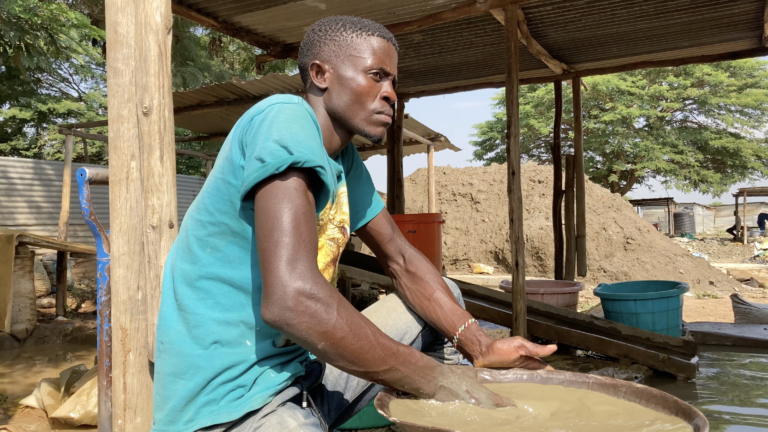
Some businesses responded to early regulations by avoiding minerals from the DRC altogether rather than investing in systems that could verify conflict-free sources. While this reduced potential risks for companies, it also affected legitimate miners and communities that depended on mining for their livelihoods.
This highlights the importance of balancing responsible sourcing with economic opportunity. Effective solutions must ensure that communities benefit from their natural resources while preventing those resources from being used to finance conflict.
Achieving this balance requires cooperation between governments, industry leaders, mining cooperatives, and local communities.
Building a Better Future
Conflict minerals remain one of the most complex challenges facing global supply chains. While significant progress has been made in improving transparency and accountability, long-term solutions require continued commitment from governments, businesses, and consumers alike.
Responsible sourcing is not simply about avoiding risk. It is about ensuring that the wealth generated from natural resources contributes to peace, economic development, and improved livelihoods for mining communities.
By supporting transparency, ethical sourcing practices, and community-focused initiatives, consumers and businesses can play an important role in creating a future where mineral wealth becomes a force for development rather than conflict.
The choices made today can help shape more responsible supply chains and create lasting positive impacts for generations to come.
Start today,
Impact tomorrow
Start today,
Impact tomorrow