

Artisanal Small-Scale Mining (ASM) & how it relates to Large-Scale Mining (LSM)
Sep 11, 2023 / 6 Min Read
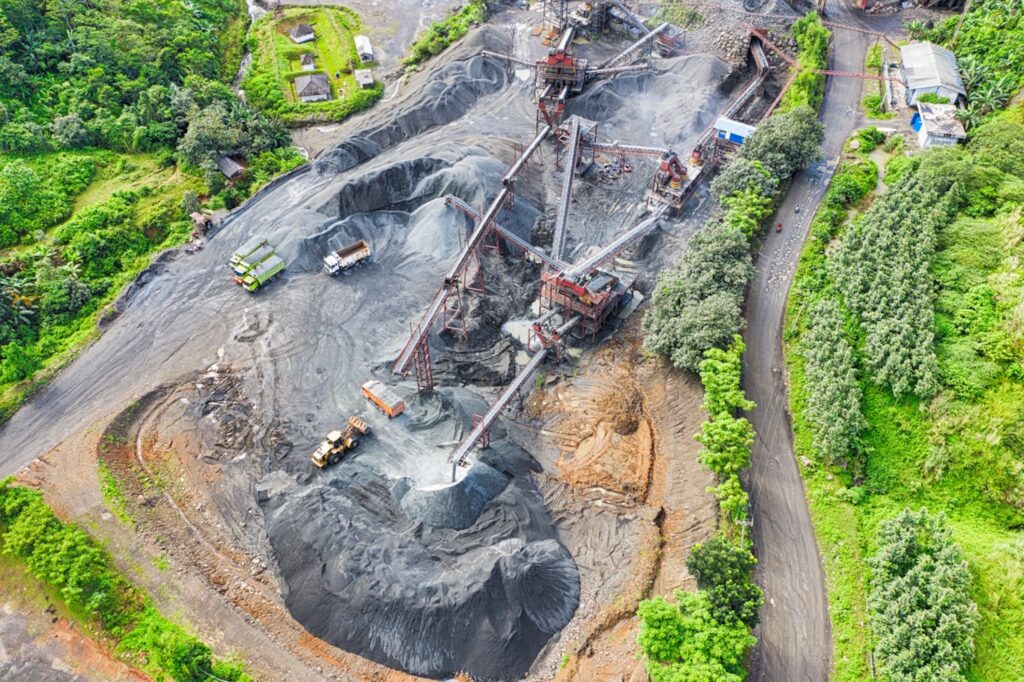
Artisanal Small-Scale Mining vs. Large-Scale Formal Mining
Understanding the Relationship Between ASM and LSM
Artisanal and Small-Scale Mining (ASM) frequently occurs in proximity to, or even within, the formal mining territories designated for Large-Scale Mining (LSM) operations. ASM activities can emerge in abandoned mining areas, tailings storage facilities, low-grade deposits that are not economically viable for industrial extraction, or in downstream areas where residual minerals may still be recovered.
As both sectors continue to expand globally, interactions between ASM and LSM are becoming increasingly common. These relationships can range from confrontation and competition to cooperation and mutual support. While conflicts between the two sectors often receive significant media attention, collaborative approaches have increasingly proven to be the most effective and sustainable way to manage shared resources and community interests.
The coexistence of ASM and LSM presents both challenges and opportunities. Understanding these dynamics is essential for mining companies, governments, local communities, and development organizations seeking to promote responsible resource development and long-term economic growth.
Why ASM Often Develops Near Large-Scale Mines
The presence of artisanal miners near industrial mining operations is rarely coincidental. Large-scale mining projects often identify mineral-rich regions that have already attracted local miners or communities seeking economic opportunities.
Several factors contribute to the development of ASM around large-scale mining concessions:
* Access to known mineral deposits.
* Historical mining activities in the area.
* Availability of abandoned workings and tailings.
* Employment opportunities generated by mining developments.
* Improved infrastructure such as roads and transportation networks.
* Local economic dependence on mineral extraction.
In some cases, artisanal mining activities predate the arrival of industrial operators. In others, ASM emerges after exploration activities reveal the presence of valuable mineral resources. Regardless of the sequence, both sectors often find themselves operating within the same geographical region and sharing similar stakeholders.
Risks and Challenges for Large-Scale Mining Operations
The presence of ASM within or near formal mining concessions can create a variety of operational, safety, and business risks for large-scale mining companies.
Health and Safety Concerns
One of the most immediate concerns is worker safety. Unauthorized access to active mining areas can expose artisanal miners to hazardous conditions while simultaneously creating risks for LSM employees and contractors.
Potential safety issues include:
* Entry into restricted operational areas.
* Exposure to blasting activities.
* Mine pit and shaft accidents.
* Equipment collisions.
* Unstable ground conditions.
* Emergency response complications.
The presence of informal mining activities within active concessions can make it more difficult for operators to maintain safe working environments and comply with regulatory requirements.
Security Challenges
ASM activities can also increase security demands for mining companies. Additional personnel, monitoring systems, and access controls may be required to protect employees, equipment, and infrastructure.
In situations where tensions arise between artisanal miners and industrial operators, conflicts can lead to:
* Operational disruptions.
* Temporary shutdowns.
* Property damage.
* Theft of equipment or materials.
* Increased security costs.
While many mining companies successfully manage these challenges through community engagement and cooperation, unresolved disputes can have significant operational and financial consequences.
Public Image and Reputation Risks
Beyond physical and operational challenges, ASM can also create significant reputational risks for large-scale mining companies.
Mining projects often operate under intense public scrutiny from governments, local communities, non-governmental organizations, investors, and international media. When artisanal mining activities occur within or near a concession area, the public may incorrectly associate ASM-related issues with the industrial operator.
These issues may include:
* Environmental degradation.
* Child labor concerns.
* Human rights violations.
* Unsafe working conditions.
* Illegal mining activities.
* Unregulated mineral trading.
Even when large-scale mining companies are not directly responsible for these activities, public perception can blur the distinction between formal and informal operations. As a result, companies may experience negative publicity that affects community trust, investor confidence, and their social license to operate.
Community Expectations and Social Tensions
A common source of conflict between mining companies and local communities arises from unmet expectations.
During the early stages of a mining project, communities may anticipate significant economic benefits, employment opportunities, infrastructure improvements, and social development programs. When these expectations exceed what a project can realistically deliver, disappointment and frustration may develop over time.
Several factors contribute to this challenge:
* Overly optimistic assumptions about mine profitability.
* Misunderstandings regarding employment opportunities.
* Lack of transparent communication.
* Delays in project development.
* Limited community participation in decision-making.
These tensions can create fertile ground for conflict between ASM operators, local communities, and large-scale mining companies. Foreign-owned mining projects may face additional challenges when cultural differences or communication barriers limit effective stakeholder engagement.
For this reason, transparent communication, community consultation, and realistic expectation management are essential components of successful mining operations.
Environmental Impacts and Shared Responsibilities
Artisanal mining can sometimes have a greater environmental footprint than industrial mining on a per-tonne basis due to limited access to environmental controls, rehabilitation planning, and modern technologies.
Common environmental concerns associated with unmanaged ASM activities include:
* Deforestation.
* Soil erosion.
* River sedimentation.
* Water contamination.
* Biodiversity loss.
* Abandoned pits and shafts.
* Unsafe waste disposal practices.
Because these impacts often occur near large-scale mining projects, surrounding communities and external observers may attribute environmental degradation to industrial operators, regardless of the actual source.
This creates an additional incentive for LSM companies to engage constructively with ASM communities and support responsible mining practices where possible.
Opportunities for Mutual Benefit
When managed effectively, ASM and LSM can coexist in ways that generate value for both sectors.
Creating Sustainable Post-Mining Legacies
As large-scale mining projects approach closure, ASM may continue to provide livelihoods for local communities. Including artisanal mining considerations within mine closure and land-use planning can help ensure that economic opportunities remain available after industrial operations cease.
This approach supports long-term community resilience while helping preserve a positive mining legacy.
Start today,
Impact tomorrow
Start today,
Impact tomorrow